Cookie Consent by Free Privacy Policy website Shaping Europe Through Sport: European Sport for All Conference Explores the Power of Physical Activity | TAFISA

TAFISA - The Association For International Sport for All

Shaping Europe Through Sport: European Sport for All Conference Explores the Power of Physical Activity
  • August 20, 2026
  • TAFISA

Shaping Europe Through Sport: European Sport for All Conference Explores the Power of Physical Activity

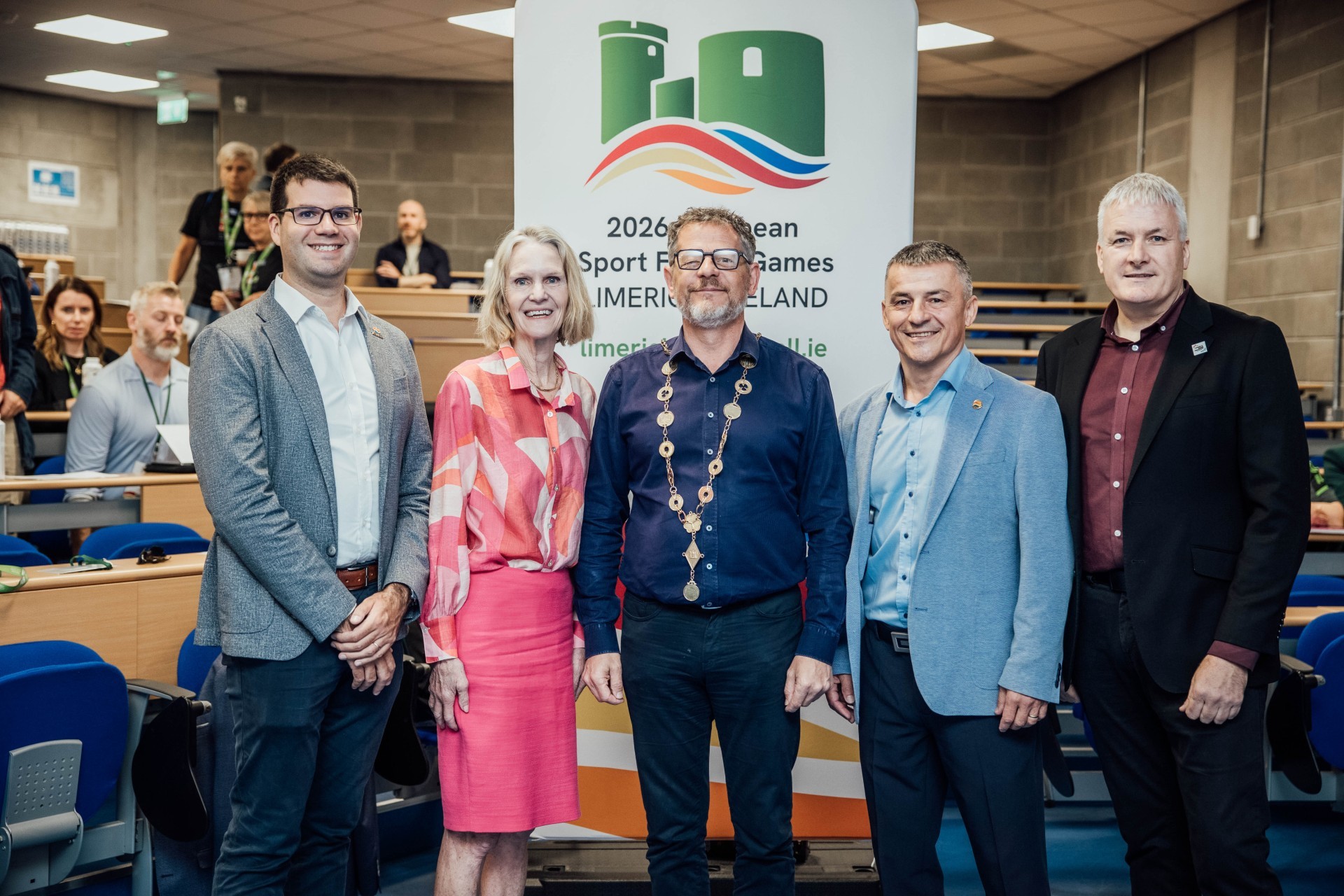
The European Sport for All Games kicked off on 7 August with the European Conference and Community Sports Day held at Mary Immaculate College in Limerick.

The Sport for All European Conference "Shaping Europe Through Sport & Physical Activity – How Engagement in Sport & Physical Activity Impacts Culture" brought together European and international leaders from sport, health, education and community development to explore how sport and physical activity could contribute to inclusion, wellbeing, social connection and cultural development.

The conference opened with a welcome and introduction from the Limerick Mayor, John Moran, followed by Jacqueline Kronenburg, TAFISA Vice President for Europe. A presentation on the topic: "From Policy Commitments to Implementation Gaps, to Transformative Change," was delivered by Catherine Carty, UNESCO Chair at MTU, and Alexis Saillard from UNESCO's Sport Section.

The day was filled with diverse contributions, presentations and panel discussions on the cultural role and impact of sport and physical activity.

During the Conference, it was addressed that Mary Immaculate College, in partnership with the Technological University of the Shannon (TUS) and Limerick Sport Partnership, will lead the research side of the European Sport for All Games. This research will examine how the European Sport for All Games 2026 can create a lasting legacy of increased participation in sport and physical activity, greater inclusion, stronger community connections and enhanced intercultural understanding. The findings will provide valuable insights for researchers, policymakers, sporting organisations and community groups, helping to demonstrate how sport can break down barriers and create more inclusive, accessible and welcoming opportunities for everyone.

Overall, the conference presented Sport for All as much more than participation in physical activity; it demonstrated how sport could support empowerment, inclusion, social cohesion, cultural development and stronger communities. The range of speakers and perspectives showed how these ideas could be considered at local, national, European and international levels.